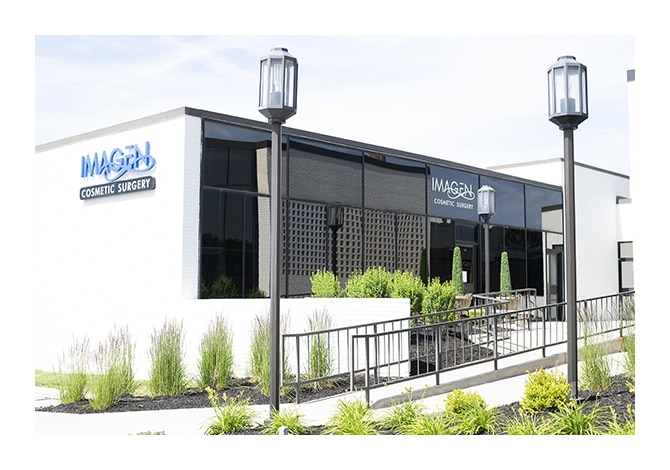
In a world where the quest for ageless beauty intensifies, non-surgical cosmetic procedures like soft tissue fillers and skin care products surge in popularity, offering a reprieve from invasive treatments and the scalpel’s edge. These minimally invasive beauty treatments, like soft tissue fillers and advanced skin care products, weave their magic on areas such as eyebrows without the daunting commitment to traditional surgery—think facial procedures that smooth and rejuvenate with nary a scar in sight. The allure of these facial procedures, like soft tissue fillers and skin care products, lies not only in their subtlety but also in their power to transform beauty, providing significant results with minimal downtime.
Exploring Laser Skin Resurfacing and Its Benefits
Laser Types
Laser skin resurfacing, a cosmetic procedure for facial procedures, uses two main types of lasers: ablative and non-ablative. Ablative lasers, a cosmetic procedure for facial procedures, work by removing thin layers of skin, promoting new skin growth and beauty production. Non-ablative lasers are less invasive beauty procedures, targeting the dermis to encourage collagen production without removing any skin or causing significant inflammation.
These procedures can improve skin tone, texture, and firmness. They differ in intensity and recovery time. Your choice of procedure depends on specific needs and how much downtime you can afford.
Collagen Production
One major advantage of the laser resurfacing procedure is its ability to boost collagen production. Collagen is key for maintaining youthful, elastic skin. As we age, our natural collagen levels drop.
Laser treatment procedures stimulate the body’s healing process which increases collagen synthesis. This results in firmer, plumper skin with reduced lines and wrinkles over time.
Treatment Scope
The scope of laser resurfacing treatments is broad:
- They effectively reduce fine lines around eyes or mouth.
- Scars from acne or other causes become less noticeable.
- Hyperpigmentation issues like sun spots or melasma can be addressed.
Patients see a significant improvement in their overall complexion after treatment sessions.
Understanding Botox and Injectable Neurotoxins
Treated Areas
Botox and other injectable neurotoxins target wrinkles. Doctors use them on the forehead, around the eyes, and between the brows. They can also treat lines around your mouth.
These injections relax muscles that cause wrinkles. Your skin looks smoother after treatment. Results typically appear within a few days.
Duration Effects
Neurotoxin treatments last differently for each person. Generally, you can expect results to last from three to six months.
Over time, muscle action returns, and lines reappear. Regular treatments help maintain smooth skin longer.
Safety Profile
Injectable neurotoxins have a good safety record when done by professionals. Side effects are usually minor but can include bruising at the injection site or headaches.
Rarely, more serious side effects occur like muscle weakness in untreated areas or trouble speaking or swallowing if the toxin spreads beyond the treatment area.
It’s important to discuss risks with your doctor before receiving these treatments.
The Role of Chemical Peels and Dermal Fillers
Chemical Peels
Chemical peels are a popular non surgical cosmetic procedure. They involve applying a chemical solution to the skin, which exfoliates and removes damaged layers. There are three types: superficial, medium, and deep peels.
Superficial peels target the outermost layer of skin. They refresh the face with minimal downtime. Medium peels reach middle layers, treating wrinkles and pigmentation issues more aggressively. Deep peels penetrate further, offering dramatic results for severe skin damage but require significant recovery time.
Maintenance is key for lasting peel effects. Superficial ones may need monthly repeats, while deep options can last years with proper care.
Dermal Fillers
Dermal fillers restore volume to aging faces using substances like hyaluronic acid or other soft tissue fillers. Hyaluronic acid is naturally found in our bodies, making it a safe choice for most people.
Filler materials vary in longevity and effect:
- Hyaluronic acid offers temporary improvements.
- Other materials might provide longer-lasting results but carry more risks.
Regular maintenance ensures sustained filler benefits—usually every six months to two years depending on the type used.
Advances in Non-Surgical Facial Rejuvenation Techniques
PRP Therapy
Platelet-Rich Plasma, or PRP therapy, is a game-changer. It uses your blood to promote healing. Doctors take a sample and spin it in a machine. This separates the platelets. They inject them back into your skin.
The idea is simple. Platelets help with healing and growth factors. When put into the skin, they can help fix aging signs like wrinkles and fine lines.
Combined Treatments
Sometimes, one treatment isn’t enough. That’s where combining comes in handy. Using PRP with other methods can give better results for skin care.
Think of it as teaming up treatments to fight off aging signs more effectively. For example, using PRP after microneedling helps heal faster and boosts collagen production.
Tech Impact
Technology has transformed non-surgical procedures dramatically over time. Devices are now smarter and safer than ever before. They offer precise treatments with less risk involved. This means better outcomes for patients who want to tackle issues like severe acne or blemishes without surgery.
Selecting the Right Provider for Laser Treatments
Qualified Specialists
When seeking laser treatments, it’s crucial to find a provider with proper qualifications. Look for specialists who are board-certified in dermatology or cosmetic surgery. They should have extensive training specifically in laser procedures. A qualified professional ensures safety and effectiveness.
Check their credentials carefully. Make sure they’re licensed to perform laser treatments in your state. Ask about their years of experience, too. It’s not just about having the certification; hands-on practice is key.
Personalized Plans
Every person’s skin is unique, requiring a tailored approach to laser treatment. The right specialist will offer personalized plans that consider your specific skin type and condition.
During consultations, expect them to examine your skin closely. They should ask detailed questions about your medical history as well as any previous cosmetic procedures you might have had.
Gallery Evaluation
Before deciding on a provider, evaluate their before-and-after galleries of past clients’ results from similar procedures you’re considering.
These galleries showcase the work quality and provide insight into what you can expect for yourself. If the after photos show significant improvement without looking unnatural, it’s a good sign of skillful work.
Look for consistency across different cases within these galleries as well—consistent results indicate reliability and expertise in handling diverse skin types and conditions.
Navigating the Popularity of Medical Spa Treatments
Growth Trends
Medical spas are on the rise. They blend traditional spa comforts with advanced procedures. Patients seek results without surgery and find a solution in these modern sanctuaries. The growth is driven by an aging population eager to look youthful. Social media also plays a role, showcasing dramatic before-and-after pictures.
Many people prefer non-invasive options that require no downtime. They want to return to daily life quickly after treatment. This demand has led to more innovative and effective treatments entering the market.
Treatment Variety
Beyond lasers and injections, medical spas offer diverse services. These include chemical peels, microdermabrasion, and body contouring techniques such as CoolSculpting® or radiofrequency therapy for skin tightening.
Some spas even provide wellness programs like nutritional counseling or stress management sessions for holistic care. Patients appreciate this comprehensive approach that addresses both beauty and well-being.
Selecting Spas
Choosing the right medical spa is crucial for safe, satisfying outcomes:
- Ensure licensed professionals administer treatments.
- Research if there’s a doctor onsite overseeing procedures.
- Read reviews from previous clients about their experiences.
Reputation matters in this field where health meets aesthetics. A reputable spa will prioritize patient care above all else—ensuring safety standards are met while providing desired cosmetic enhancements.
Insights into Kybella and RF Microneedling Procedures
Kybella Benefits
Kybella is an injectable treatment designed to reduce submental fat. It targets the double chin, a common concern for many. The active ingredient in Kybella is deoxycholic acid, which breaks down fat cells.
Patients choose Kybella for its non-invasive nature. They can avoid surgery and still achieve noticeable results. After treatment, the body naturally eliminates the destroyed fat cells.
RF Microneedling Advantages
RF Microneedling combines microneedles with radiofrequency energy. This dual action stimulates collagen production, leading to tighter skin and improved texture.
It’s effective for various skin issues like fine lines, scars, and pores. The procedure has minimal downtime compared to surgical options.
Ideal Candidates
Who Qualifies
Ideal candidates for these treatments are adults with good skin elasticity who want to improve their appearance without surgery.
For Kybella: Individuals bothered by submental fullness. For RF Microneedling: Those looking to enhance skin firmness and quality.
Who Doesn’t
Not everyone is a fit for these procedures.
People with severe sagging may need surgery instead of RF Microneedling. Those with certain health conditions might not be suitable for Kybella injections.
Making an Informed Decision for Cosmetic Enhancements
Personal Goals
Understanding your personal goals is crucial. You must assess what you want to achieve. This could be enhancing your eyebrows or improving overall skin texture. It’s about the look you desire.
Make a list of desired changes before consulting an expert. For example:
- Fuller eyebrows
- Smoother skin appearance
- Reduction of fine lines
Remember, outcomes vary per person. Each treatment offers different results.
Realistic Expectations
Having realistic expectations is key in cosmetic enhancements. Non-surgical procedures can offer significant improvements, but they are not magic fixes.
Discuss with professionals what to expect post-treatment. For instance:
- How long will it take to see results?
- What level of change should you anticipate?
Knowing these details helps set achievable goals.
Professional Consultation
Consulting with a licensed professional is vital before any treatment. They provide insights on various options and tailor them to your needs.
Experts evaluate your situation and suggest the best course of action. This might include treatments like Kybella for fat reduction or RF Microneedling for skin rejuvenation.
Conclusion
Non-surgical cosmetic procedures offer a realm of possibilities for enhancing your appearance without going under the knife. From the skin-smoothing magic of laser resurfacing to the wrinkle-relaxing wonders of Botox, these treatments have revolutionized the beauty game. Chemical peels, dermal fillers, and cutting-edge techniques like RF microneedling are changing faces and boosting confidence, all with minimal downtime. It’s like giving your skin a much-needed vacation without leaving town!
Choosing the right provider is key—your face isn’t a place for shortcuts. Do your homework, and don’t shy away from asking tough questions. Ready to dip your toes into the fountain of youth? Dive in! Find a trusted medical spa and explore which non-surgical wonders can refresh your look. Remember, you’re in the driver’s seat on this road to rejuvenation—pick your path wisely.
Frequently Asked Questions
What exactly are non-surgical cosmetic procedures?
Non-surgical cosmetic procedures are treatments that aim to improve your appearance without the need for surgery. They’re less invasive, typically involve minimal downtime, and can include things like Botox, fillers, or laser treatments.
How does laser skin resurfacing benefit my skin?
Laser skin resurfacing can reduce wrinkles, scars, and blemishes by removing the outer layers of your skin. It’s like hitting the refresh button; it promotes new collagen formation for smoother, younger-looking skin.
Are Botox and other injectable neurotoxins safe?
Yes! When administered by a qualified professional, Botox and similar products are FDA-approved and considered safe. They temporarily relax muscles to smooth out wrinkles—think of them as a pause button for signs of aging.
What do chemical peels do for my complexion?
Chemical peels exfoliate dead skin cells on the surface level to unveil fresh, radiant underlayers. Imagine them as a deep cleanse that not only clears but also rejuvenates your facial canvas.
Can you explain what dermal fillers are used for?
Dermal fillers restore lost volume or add plumpness where desired—they’re essentially sculpting clay for your face that can redefine contours and soften lines with immediate results.
How do I choose a reputable provider for laser treatments?
Look into their credentials first—it’s crucial they have proper training and experience. Think of it as matchmaking: you want someone who knows their lasers inside out so you get safely zapped back to radiance!
What should I know about RF microneedling compared to traditional methods?
RF (radiofrequency) microneedling combines tiny needles with heat energy which boosts its ability to tighten skin more than standard microneedling—it’s like giving your face an iron-out from within.