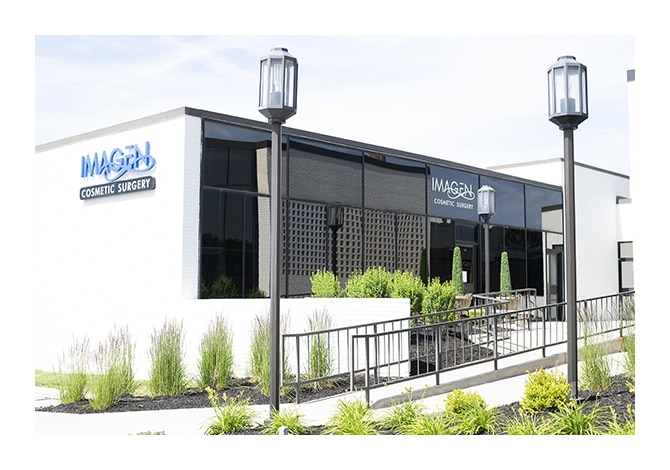
Cosmetic dermatology, utilizing the knowledge from laser centers and energy-based treatments, merges medical expertise with the art of aesthetic enhancement, revolutionizing how we enhance our appearance in both clinical and spa settings. From subtle skin tweaks to transformative procedures, cosmetic dermatology has evolved rapidly, offering a diverse range of cosmetic treatments at centers like MI Skin Dermatology Center. It’s not just about looks; it’s a confidence game-changer for many, reshaping self-image and patient lives through cosmetic procedures, knowledge, and skillful practice by a board-certified cosmetic dermatologist.
In today’s world, where your exterior often speaks first, cosmetic dermatology stands as a testament to the power of modern medicine in influencing personal narratives. It’s an interplay between science and perception, influenced by cosmetic procedures and the expertise of a cosmetic dermatologist, that continuously redefines beauty standards at mi skin dermatology center.
Role and Training of Cosmetic Dermatologists
Rigorous Training
Cosmetic dermatologists undergo extensive training. They must first earn a medical degree. Then, they complete a residency in dermatology. This involves learning about various skin conditions and treatments. But their education doesn’t stop there.
To specialize in cosmetics at mi skin dermatology center, additional fellowship training is often required. Here, at Mi Skin Dermatology Center, they master aesthetic procedures like botox or laser therapy, under the guidance of a cosmetic dermatologist. They practice under experienced mentors before treating patients alone.
Staying Updated
The field of cosmetic dermatology evolves rapidly. New techniques emerge regularly. Doctors must stay informed to offer the best care.
They attend conferences and workshops for this purpose. Reading scientific journals also helps dermatology center staff keep up-to-date with advancements in cosmetic procedures.
Ethical Considerations
Ethics play a crucial role in cosmetic dermatology practice.
- Doctors should ensure that patients have realistic expectations.
- Procedures should be suggested based on need rather than profit.
- Patient safety and wellbeing are always top priorities.
Cosmetic dermatologists face unique challenges here but strive to maintain high ethical standards.
Overview of Cosmetic Dermatology Treatments
Treatment Categories
Cosmetic dermatology offers a range of treatments to suit different needs. These can be grouped into three main categories:
- Non-invasive: These treatments do not break the skin and often require no downtime.
- Minimally invasive: Such procedures involve minor procedures that may include injections or laser use.
- Surgical: These are more intensive options that require incisions and longer recovery periods.
Patients choose based on their goals, available time for recovery, and the advice of their dermatologist.
Skin Concerns
Cosmetic dermatologists address many skin concerns. Common issues include:
- Aging signs like wrinkles
- Scars from acne or injuries
- Unwanted hair
- Sun damage
- Uneven skin tone or texture
Each concern may have multiple treatment options available.
Personalized Plans
Treatment plans in cosmetic dermatology are highly personalized. A good plan considers:
- The patient’s skin type
- Desired results
- Lifestyle factors
Dermatologists work closely with patients to create effective, tailored plans for optimal outcomes.
Injectable Treatments and Dermal Fillers
Wrinkle Reduction
Injectables are a popular choice for reducing wrinkles. Patients often seek these treatments to achieve smoother skin. The most common types of injectables include Botox and dermal fillers like Juvederm or Restylane. These substances work by relaxing facial muscles or filling in creases.
Patients typically notice results soon after treatment. However, the effects are not permanent. Maintenance sessions may be necessary every few months to preserve the smooth appearance.
Volume Enhancement
Dermal fillers also help with volume enhancement in areas like cheeks and lips. They add fullness where it has been lost due to aging or other factors.
The longevity of filler results can vary between patients but generally lasts from six months up to two years, depending on the product used and individual patient factors such as metabolism rate.
Safety Profiles
Safety is crucial when considering cosmetic procedures. Injectable treatments have strong safety profiles when performed by qualified professionals. Still, there are potential side effects that patients should discuss with their dermatologist beforehand.
Common side effects might include bruising, redness, or swelling at the injection site. Rarely, more serious complications can occur if injections are not done correctly. It’s essential for each patient to weigh these risks against the anticipated benefits of injectable treatments based on their personal needs and health history.
Skin Rejuvenation with Chemical Peels and Lasers
Treatment Choices
Chemical peels and lasers are popular choices for skin rejuvenation. They help clear signs of aging like wrinkles. Peels use acids to remove old skin, which prompts new growth. Laser treatments use concentrated energy beams to target issues.
Peels work well for mild acne and age spots. Lasers can tackle deeper wrinkles or scars. Both methods boost collagen, making the face look youthful.
Recovery Periods
Recovery from chemical peels is usually quick. Mild redness may occur but fades fast. With lasers, recovery can take longer depending on the intensity of the treatment.
Patients should plan downtime after laser sessions as healing varies by individual needs and procedure types.
Patient Suitability
Not everyone is right for these procedures. A visit to a laser center or spa helps determine suitability based on skin type and desired results.
People with certain skin conditions might opt for peels over lasers or vice versa. It’s essential to consult a professional before deciding.
Body Contouring and Skin Tightening Techniques
Non-Surgical Options
Non-surgical body contouring has become a popular choice for those looking to shape their figure without the need for invasive surgery. These procedures can target specific areas of the body, such as the abdomen, thighs, or arms. They often use technologies like cryolipolysis or radiofrequency to break down fat cells.
The process is simple. A device is placed on your skin that applies controlled cooling or heat to reduce fat layers. This method is non-invasive and requires no recovery time. You can expect gradual changes as your body naturally eliminates the treated fat cells.
Fat Reduction & Skin Tightening
. That’s where skin tightening comes in handy alongside fat reduction treatments. It helps smooth out any laxity that might occur after losing volume in certain areas.
Skin tightening works by stimulating collagen production beneath the surface of your skin using energy-based devices like ultrasound or lasers. With regular sessions, these treatments can lead to firmer skin and a more refined appearance over time.
Expected Outcomes
What should you anticipate from body contouring procedures? The results vary depending on individual factors including age, weight, and treatment area but generally include:
- Reduced unwanted pockets of fat.
- Firmer and smoother skin texture.
- Enhanced natural contours of the body.
It’s essential to have realistic expectations about outcomes from cosmetic dermatology procedures since they offer subtle refinements rather than drastic changes. Moreover, maintaining a healthy lifestyle will help prolong these improvements.
Hair Restoration and Advanced PRP Injections
PRP for Hair Loss
Platelet-rich plasma (PRP) injections are gaining attention as a promising solution for hair loss. This treatment involves using a patient’s own blood to promote hair growth. The process starts with drawing blood from the patient.
The blood is then put into a machine that separates platelets from other components. These concentrated platelets are rich in growth factors. When injected into the scalp, they can stimulate hair follicles.
Treatment Process
To obtain PRP, medical professionals perform a simple blood draw. It’s similar to getting routine lab tests done. After collection, the blood goes through centrifugation.
This step isolates the platelets necessary for treatment. Once prepared, the PRP is carefully injected into areas of thinning hair on the scalp by clinicians.
Results Timeline
Patients often wonder about the timeline for seeing changes after treatments like these or skin tightening techniques discussed earlier. It typically takes several weeks before noticing improvements with hair restoration treatments.
Multiple sessions might be needed to achieve desired results, usually spaced about one month apart. Over time, patients may observe increased fullness and healthier-looking hair as an outcome of receiving advanced PRP injections.
Choosing the Right Cosmetic Dermatologist
Expertise and Credentials
A cosmetic dermatologist should have a strong educational background and board certification. Check their credentials carefully. They must be licensed to practice in your area.
Look for special training in cosmetic procedures. A good doctor will have extensive experience, especially with treatments you’re considering, like hair restoration or PRP injections.
Consultation Questions
During a consultation, ask specific questions. You want to ensure they understand your needs and expectations.
Inquire about their experience with the procedure you’re interested in. Ask how often they perform it and what outcomes you can expect.
Patient Photos
Reviewing before-and-after photos is crucial when choosing a dermatologist. These photos give insight into the doctor’s skill level.
Ensure that the photos are of actual patients from the clinic you’re considering. They should show clear improvements after treatment.
Conclusion and Embracing Change with Cosmetic Dermatology
Transformative Potential
Cosmetic dermatology has the power to transform lives. Procedures can boost confidence and improve appearance. It’s not just about looking good. It’s about feeling good too. People see real changes in their skin and overall look.
But these changes require careful thought. Not every procedure suits everyone. It’s vital to understand what works for your body. Some might see dramatic results, while others notice subtle improvements.
Informed Decisions
Making an informed decision is key. Before choosing a treatment, do your research. Learn about different procedures. Understand the risks and benefits. Read reviews and look at before-and-after photos.
Then, have a consultation with a professional. Discuss your expectations and concerns openly. A good dermatologist will listen to you. They will suggest treatments that match your needs following their expertise.
Realistic Expectations
Realistic expectations are crucial for satisfaction with cosmetic dermatology outcomes. It’s important to know what can be achieved. Some procedures offer quick results, while others take time.
Patients should discuss what they expect with their dermatologist during the consultation phase. This ensures everyone is on the same page.
Frequently Asked Questions
What exactly does a cosmetic dermatologist do?
A cosmetic dermatologist specializes in procedures to enhance your skin’s appearance, tackling wrinkles, spots, and textures with various treatments.
How long is the training for a cosmetic dermatologist?
Cosmetic dermatologists undergo extensive training—medical school plus residency—for about 8-10 years before specializing in aesthetic procedures.
Are injectable fillers and Botox the same thing?
Nope! Fillers add volume to areas like lips or cheeks, while Botox relaxes muscles to smooth out wrinkles. They’re cousins in the anti-aging family!
Can chemical peels and lasers really rejuvenate my skin?
Absolutely! Chemical peels strip away old layers, while lasers zap imperfections. Think of them as a reset button for your skin.
What are some non-surgical options for body contouring?
Non-surgical body contouring includes cool sculpting or radiofrequency techniques that shape you up without going under the knife – like shrink-wrapping your figure!
How do I pick a reputable cosmetic dermatologist?
Do your homework—check their credentials, read reviews from past patients, and look at before-and-after photos. It’s detective work for beauty!
Does hair restoration hurt?
Advanced PRP injections might sound scary but are usually manageable with minimal discomfort—it’s like a pinch for lusher locks!