Introduction
Eyelid rejuvenation is a cosmetic procedure that can help to reduce the signs of aging around the eyes. It can also be used to correct droopy eyelids, create a more youthful appearance, and improve the overall health of the eyes. The procedure involves correcting both upper and lower eyelids, as well as tear troughs. This article will discuss the different types of eyelid rejuvenation available, including upper eyelid droop, lower eyelid rejuvenation, and tear trough correction. It will also provide resources for those interested in learning more about this procedure.

Upper Eyelid Droop: Is Ptosis Present?
The upper eyelid droop, also known as ptosis, is a common eye condition that can cause vision problems. It occurs when the muscles and skin of the upper eyelid droop over the eye, obscuring the pupil and preventing it from focusing properly. The condition can be caused by aging, trauma or disease, but is most commonly seen in children. It can be treated with surgery to remove excess skin or muscle and lift the lid back into place.
Types of Ptosis
There are two types of ptosis: congenital ptosis and acquired ptosis. Congenital ptosis is present at birth and may affect one or both eyes. Acquired ptosis develops later in life due to age-related changes in the muscles and skin around the eyes or as a result of trauma to the eye area.
Diagnosing Ptosis
To diagnose ptosis, an ophthalmologist will carefully examine the patient’s eyes to determine if there is any asymmetry between them. They may measure how much of the pupil is covered by the upper eyelids and check for any signs of weakness in the muscles controlling eyelid movement. If necessary, they may also perform imaging tests such as CT scans or MRI scans to assess any damage to underlying structures.
Treating Ptosis
If ptosis is causing vision problems, treatment will usually involve surgical correction of the drooping eyelid(s). Depending on its severity, this could involve removing excess skin or muscle from around the eye area, lifting up a weakly attached muscle or repositioning it higher up on the lid. In some cases, a combination of these techniques may be used to achieve optimal results. After surgery, patients should follow their doctor’s instructions for postoperative care in order to ensure proper healing and optimal outcomes.
Lower eyelid rejuvenation is a popular cosmetic procedure that can help reduce wrinkles and other signs of aging around the eyes. Key Findings: Both surgical and non-surgical options are available, and there are risks associated with both types of procedures.
Lower Eyelid Rejuvenation
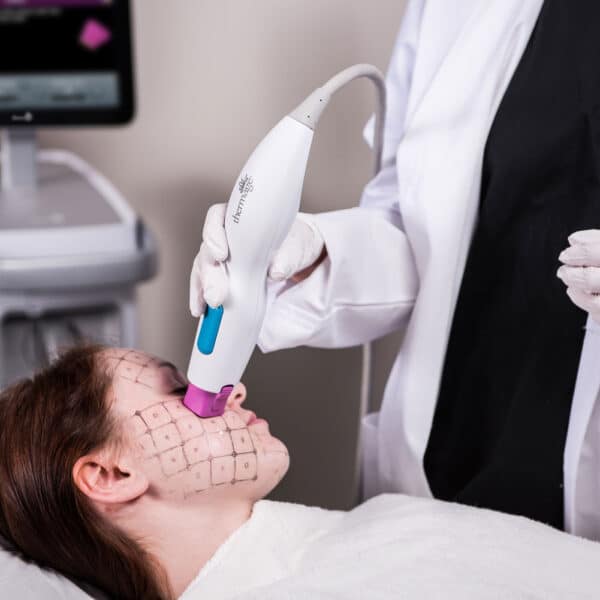
lower eyelid rejuvenation is a popular cosmetic procedure that helps to reduce the appearance of wrinkles, fine lines, and other signs of aging on the lower eyelids. It can also help to improve the overall appearance of the eye area by making it appear more youthful and refreshed. Lower eyelid rejuvenation can be done with either surgical or non-surgical techniques, depending on the desired outcome and individual patient needs.
Surgical Lower Eyelid Rejuvenation
surgical lower eyelid rejuvenation typically involves removing excess skin and fat from the lower eyelids. This procedure is often referred to as a blepharoplasty, and it can be done either through an incision in the lower lid or through a transconjunctival approach (where no external incision is made). Depending on the extent of work needed, local anesthesia or general anesthesia may be used during the procedure.
Non-Surgical Lower Eyelid Rejuvenation
Non-surgical treatments for lower eyelid rejuvenation involve using injectables such as Botox or dermal fillers to smooth out wrinkles and add volume to areas that have lost collagen due to aging. These treatments are minimally invasive and require little downtime, making them ideal for those who want immediate results without having to undergo surgery. Additionally, these treatments can be combined with other treatments such as laser resurfacing or chemical peels for more dramatic results.
Risks & Complications
As with any medical procedure, there are risks associated with both surgical and non-surgical lower eyelid rejuvenation procedures. Common risks include infection, bleeding, scarring, asymmetry, dry eyes, temporary blurred vision, and nerve damage. Patients should always discuss potential risks with their doctor before undergoing any type of treatment.
Overall, lower eyelid rejuvenation can help improve the appearance of wrinkles and other signs of aging around the eyes while restoring a more youthful look. Both surgical and non-surgical options are available depending on individual needs and desired results. As always, it is important for patients to consult with their doctor prior to undergoing any type of treatment in order to ensure safety and optimal results.
Tear Trough Correction: Add Volume, Resurface Skin, or Both?
The tear trough is the area between the lower eyelid and the cheek, which is a common area of concern for many patients. The appearance of this area can be improved with various treatments that focus on adding volume, resurfacing skin, or both.
Adding Volume
One method to improve the appearance of the tear trough is by adding volume. This can be done through injectable fillers such as hyaluronic acid (HA) fillers. HA fillers are a safe and effective way to add volume to the tear troughs and reduce the appearance of dark circles and hollows in this area. Injecting HA fillers into the tear troughs can help to restore lost volume, resulting in a more youthful look.
In addition to HA fillers, fat grafting may also be used to add volume to this area. Fat grafting involves harvesting fat from another part of the body and injecting it into the tear troughs to restore lost volume. This procedure is more invasive than using HA fillers but can provide longer lasting results.
Resurfacing Skin
Another option for improving the appearance of the tear troughs is by resurfacing skin with laser treatments or chemical peels. Laser treatments such as fractional CO2 lasers can help to reduce wrinkles, fine lines, and discoloration in this area while also tightening skin for a smoother look. Chemical peels may also be used to exfoliate dead skin cells and reveal brighter, smoother looking skin underneath.
Combination Treatment
For some patients, combining both treatments may be recommended for optimal results. Adding volume with HA fillers or fat grafting helps to plump up sunken areas while resurfacing treatments help smooth out wrinkles and discoloration for an overall more youthful look. Combining both treatments can provide long-lasting results that will help improve the appearance of the tear troughs.
No matter what treatment option is chosen, it’s important to consult with an experienced doctor who specializes in facial rejuvenation procedures before undergoing any treatment for tear trough correction. A qualified doctor will be able to evaluate your individual needs and determine which treatment will best address your concerns while providing you with safe and effective results.
Ready to take the next step towards achieving your cosmetic goals? Contact us now to book your free consultation and start your journey. We offer both virtual and in-person consultations with our board-certified cosmetic surgeons. During your consultation, you’ll get a thorough exam, answers to all your questions, and the best options to help you reach your goals. Our Clinic Manager will also be there to assist you with financing and scheduling opportunities. Don’t wait any longer, contact us today and let us help you take the next step!